
Charisma Redefined

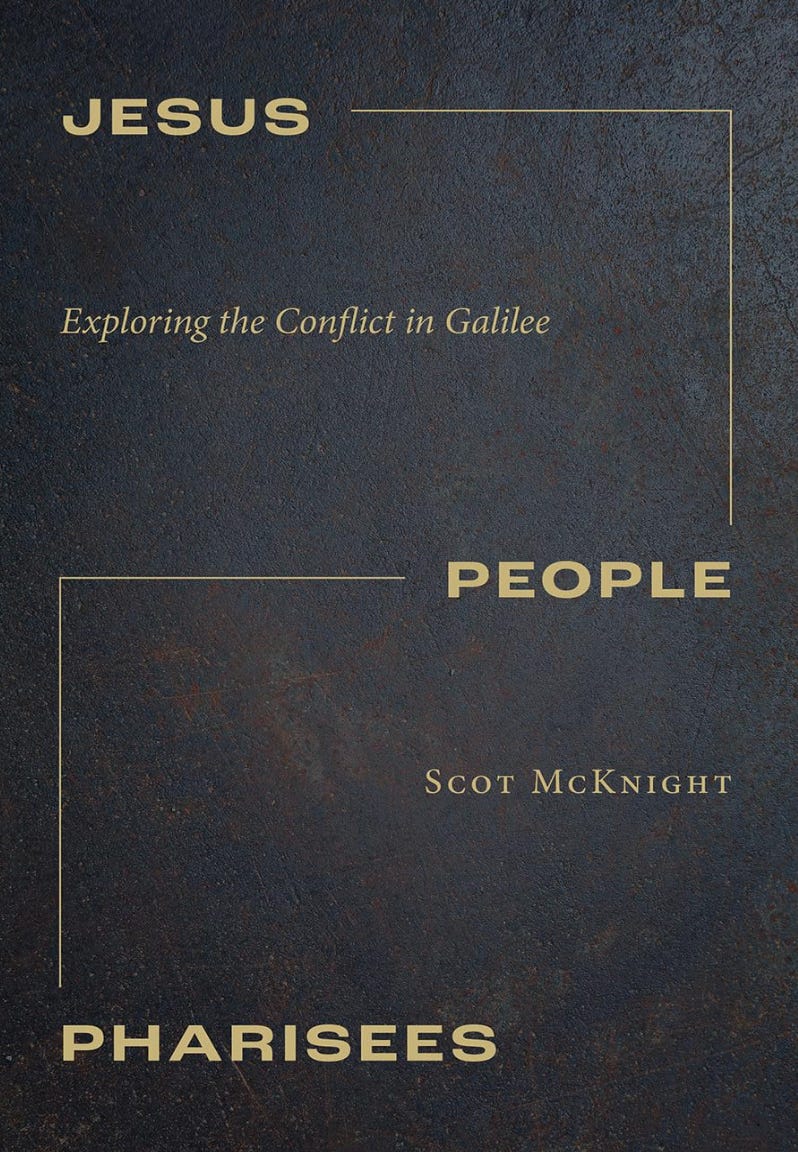
From my forthcoming, Jesus, People, Pharisees: Exploring the Conflict in Galilee (Fortress, 2026).

By any standards used to measure such things, Jesus had charisma. I do not mean he was charismatic or Pentecostal, though his own religious experiences are noticeable. He was known for prayer, exorcisms, miracle-working, visions, and he wore the mantle of prophetic authority. We could say Jesus was in that sense charismatic, but that’s not our concern. Many have pointed to certain personalities possessing charisma. But for charisma to develop more is needed than a gifted leader to make her or his presence felt. Charisma transcends the attributes of an individual to become a dynamic between a leader and the people. It requires more than a gift or a skill for charisma to form. Charisma needs backers. Charisma, which can be ineffable and inexplicable, thus hangs a word on the relationship of a leader and a crowd or group. The leader does not possess charisma so much as participates in a dynamic relationship enhancing the status of both leader and group. Charisma empowers energy in a group of followers and promotes a representative leader. Some leaders have a “strange magnetism,” and some don’t. Those who have it don’t have it with everyone. The charisma between Jesus and his followers was not present among the circles of Antipas or Caiaphas, two leaders who had serious concerns about what Jesus was up to.
Charisma is not celebrity or charm. This note about charisma strikes a rarely heard note in Jesus studies. The crowds and disciples and various groups that attached themselves to Jesus had much to do with the charisma of Jesus. Charisma cannot be reduced to the charismatic gifts of Jesus. A recent study of charisma wisely noted that, “Any leader’s capacity to shape events depends on his or her ability to respond to the insecurities and frustrations of the age, and how those concerns drive people’s search for a leader–the particular kindling, in each era, that ignites charisma.” She continues: “Charisma is a relationship between leader and follower. It reflects the human need to explain and control unseen forces, and the power of an all-encompassing, empowering story to make people do things for the storyteller.” Molly Worthen, whom I have been quoting above, notes as well that most of those with charisma “have been distinctly off-putting, if not downright repulsive, to observers who are outside the power of the story they tell.” Her words about prophets with charisma anticipate what is to follow: “A prophet derives his authority from a state of deliberate estrangement: maintaining a certain distance from his culture permits him to see its assumptions and absurdities.” Distance with dissidence is a formula for rejection. Elsewhere she writes, “A prophet gains power by taking her stand just far enough from the center of authority to stay within striking distance.” The people are every bit involved in both the distance and the dissidence: “Those individuals who emerge as leaders, whose decisions have global consequences, gain prominence and power because they respond to the era’s dominant charismatic type.” Jesus fit the type because the crowd needed his type.
They got what they wanted. But Antipas, Caiaphas, and Pilate struck. But it was not because Jesus was charismatic. It was because of the dynamic of charisma, the dynamic of Jesus and the crowds around him. One last word from Worthen: “Prophets always accompany revolutions, like gulls and a wake.” The Gospels do not tell this story explicitly, but this charisma story, this dynamic back-and-forth, growing relationship of Jesus to his burgeoning network of followers can be explained by charisma. The Gospels tell a story of conflict in Galilee between Jesus and the Pharisees, but they don’t explain the conflict. They blame the Pharisees, to be sure, but the Pharisees were accompanied at times by scribes or Herodians, and both are often ignored in the Christian rush to pin the blame on the Pharisees. The Pharisees have been misunderstood, disastrously, and I hope to do my part to rectify the misunderstanding. Charisma can open a path to a fresh view of the conflict between Jesus and the Pharisees.
Jubilee, tension with Pharisees, and charisma. The lesson is clear: if you want to change the world, you need to be on the side of the people.
Thank you Scott
Looking forward to this book!