
Jus Thinkin'

Is it me, or am I overreacting? Lately, I have been grappling with the concept of “pick-me syndrome.” But as I unravel these thoughts, allow me to provide some context. I am a born-again Christian, serving faithfully under one of the most profound voices of the Black church, Bishop Gary G. Hayles. I have had the privilege of studying in seminary and hold a master’s degree from Northern Theological Seminary. Throughout my journey, I have learned under brilliant scholars of our time—Scot McKnight, Jason Gile, Nijay Gupta, Cherith Fee Nordling just to name a few. Yet, despite all this training, knowledge, and faith, I find myself asking: Why are we, as women, still fighting for a seat at the table? And more specifically, why are women of color often overlooked, uninvited, and excluded from that same table?
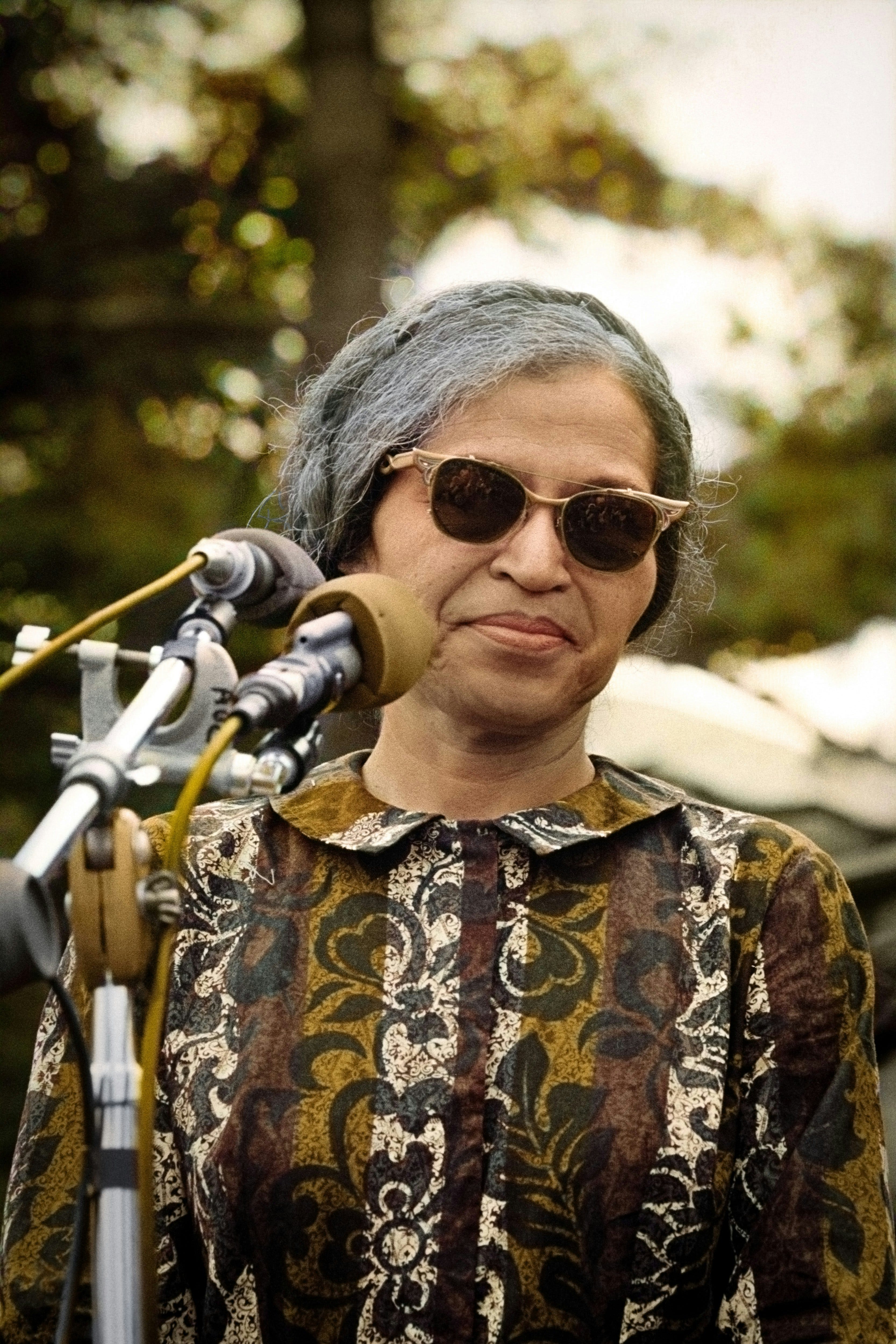
Photo by Unseen Histories on Unsplash
The Historical Context
When I began seminary, the debate raging in the Black evangelical Christian community centered around whether women had the authority to teach and preach. Women were often relegated to leading Sunday School, Vacation Bible School, or instructing other women. By the grace of God, through theological maturation and the advocacy of allies, this archaic argument has begun to lose traction. While complementarian ideologies (which restrict women’s leadership) still hold sway in certain churches, egalitarian perspectives are gaining momentum. This shift is commendable. But what truly burns me to my core is the glaring lack of representation of Black women in these spaces.
The Power of Perspective
To tell the story of God’s Kingdom—especially in communities overwhelmingly populated by people of color—without the perspective of women of color is, in my view, a gross mishandling of that story. There is a saying that the person who holds power—whether through resources, access, or influence—often tells the story in a way that makes them look heroic. But this is not just anyone’s story. This is the story of the Kingdom of God. The Kingdom of God does not require embellishments, ideologies, or perspectives that exalt the storyteller over the story itself. It is about lifting the broken, the underserved, the forgotten, the sinful, and the unhealed. It is about demonstrating the love, grace, and forgiveness of Christ to the world.
A Missing Voice
As an American Black woman, I represent one of the most underserved, overlooked, and broken demographics in this country. So why is my voice—and the voices of women like me—not a part of telling this story? Let me be clear: I am not writing this as a plea for validation or a call for pity. This is not “pick-me syndrome.” I am exhausted by the need to remind intelligent minds that their stories, their conferences, their efforts to build community are missing a critical voice. A voice like mine.
The Call-to-Action
Representation matters—not as a token gesture but as a reflection of the Kingdom of God’s true diversity. Black women are not just victims or statistics; we are theologians, leaders, storytellers, and reflections of God’s glory.
So, the next time you are telling the story of God’s Kingdom, take a moment to ask: Whose voice is missing? Because until Black women are fully seen, heard, and included, the story is incomplete. And that is not just a disservice to us, it is a disservice to the Kingdom itself.
Fantastic article Sheva!
What a great post. Thank you for your challenge and witness to the values of the kingdom.